
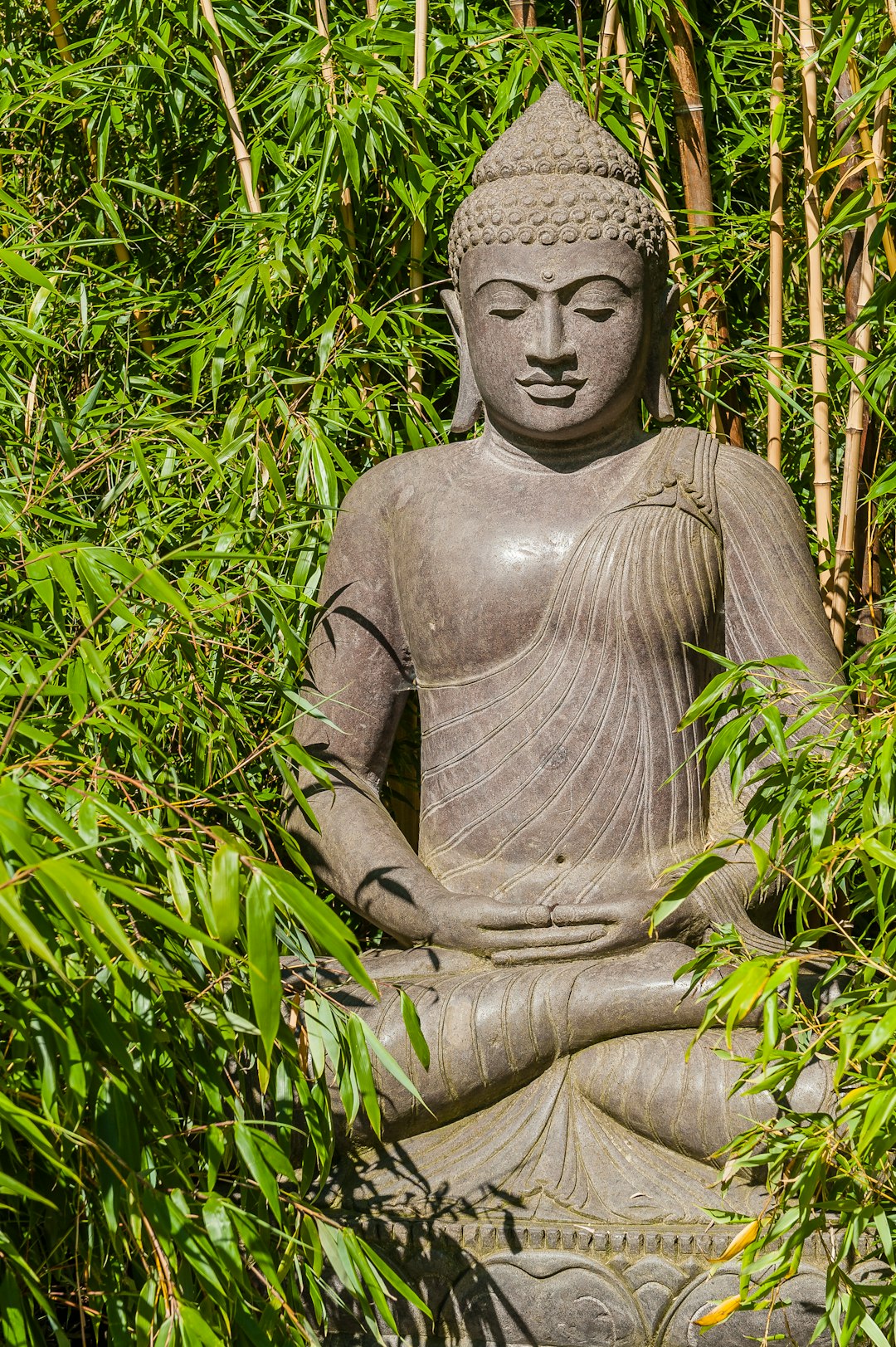
In our hyper-connected, always-on world, genuine quiet can feel like a rare commodity. From the constant ping of notifications to the endless stream of information, our minds are rarely given a moment’s rest. We often fill every spare second with a distraction, consciously or unconsciously avoiding one of the most profound and transformative practices available to us: learning the art of sitting with our own thoughts. This isn’t about clearing your mind entirely – that’s often an impossible and frustrating goal – but rather about cultivating a gentle, non-judgmental awareness of the inner landscape of your mind. It’s a journey towards profound self-understanding, emotional resilience, and a deeper sense of inner peace.
Why Do We Avoid Our Thoughts?
The idea of simply sitting still and letting our thoughts come and go can be daunting for many. Why is this? Several factors contribute to our aversion:
- The Addiction to Distraction: Modern technology offers an endless buffet of entertainment and information. We’ve become accustomed to external stimulation, making internal quiet feel alien or even boring.
- Fear of the Unknown: Our minds can be busy places. We might worry about what thoughts or feelings will surface if we allow ourselves to be still. There’s a fear of confronting uncomfortable emotions, past regrets, or future anxieties.
- Societal Pressure to Be Productive: We live in a culture that often equates constant activity with worth. Resting, pausing, or simply “being” can feel unproductive or even lazy.
- Lack of Practice: For many, the skill of mindfulness and self-reflection simply hasn’t been developed. Like any muscle, it needs to be exercised.
Understanding these underlying reasons is the first step towards breaking free from the cycle of avoidance and embracing the profound benefits that come from this introspective practice.
The Transformative Power of Inner Silence
When you commit to sitting with your thoughts, you unlock a wealth of psychological and emotional advantages that can significantly enhance your quality of life:
- Enhanced Self-Awareness: By observing your thoughts without judgment, you begin to understand your patterns of thinking, your core beliefs, and your emotional triggers. This self-knowledge is foundational for personal growth.
- Improved Emotional Regulation: Instead of being swept away by strong emotions, you learn to recognise them as they arise, allowing you to respond thoughtfully rather than react impulsively. This creates a buffer between stimulus and response.
- Reduced Stress and Anxiety: Regularly engaging in this practice can lower cortisol levels, quiet the sympathetic nervous system, and foster a sense of calm. You learn to differentiate between genuine threats and manufactured worries.
- Boosted Creativity and Problem-Solving: When the mind isn’t constantly reacting, it has space to connect disparate ideas, leading to fresh insights and innovative solutions. Many great thinkers have attributed their breakthroughs to moments of quiet contemplation.
- Greater Clarity and Focus: By clearing mental clutter, you improve your ability to concentrate, make decisions with conviction, and prioritise what truly matters.
- Increased Empathy and Compassion: Understanding your own inner workings often leads to a deeper understanding and empathy for others, as you recognise the shared human experience of navigating complex thoughts and emotions.
These benefits aren’t instantaneous, but with consistent practice, they become deeply ingrained aspects of your being.
How to Begin Your Journey: Practical Steps
Embarking on this practice doesn’t require complex rituals or expensive equipment. It begins with simple, consistent steps:
- Find Your Sanctuary: Choose a quiet, comfortable space where you won’t be disturbed. This could be a specific chair, a corner of a room, or even a spot in your garden. The key is minimal external distraction.
- Set a Realistic Timer: Start small. Five to ten minutes a day is perfectly adequate for beginners. As you grow more comfortable, you can gradually extend the duration. Consistency is far more important than length.
- Adopt a Comfortable Posture: Sit upright but relaxed, either on a cushion or a chair, with your feet flat on the floor if sitting in a chair. Your spine should be straight but not rigid, allowing for natural breath. Your hands can rest gently on your lap.
- Anchor with Your Breath: Close your eyes gently or keep a soft gaze downwards. Bring your attention to your breath. Feel the sensation of the air entering and leaving your body – perhaps at your nostrils, chest, or abdomen. This serves as your anchor.
- Observe, Don’t Judge: As you sit, thoughts will inevitably arise. This is entirely normal. The goal isn’t to stop thinking, but to observe your thoughts as they come and go, like clouds passing in the sky. Notice them without attaching to them, judging them, or trying to change them.
- Acknowledge and Release: When you notice your mind has wandered (and it will!), gently acknowledge the thought without self-reproach. Then, without judgment, gently guide your attention back to your breath. It’s a continuous process of noticing and returning.
- Practice Self-Compassion: There will be days when your mind feels particularly busy or restless. Don’t get frustrated. Treat yourself with kindness, understanding that this is part of the human experience. Each time you gently redirect your attention, you’re strengthening your mindfulness muscle.
Navigating Common Challenges
It’s important to acknowledge that this practice isn’t always easy. You might encounter some common hurdles:
- Restlessness and Boredom: Your mind, accustomed to constant stimulation, might rebel. Acknowledge this feeling, and gently return to your breath. It’s a sign that your mind is recalibrating.
- Overwhelming Emotions: Sometimes, intense emotions or difficult memories may surface. If this happens, try focusing more intently on the physical sensation of your breath, or consciously shorten your session and engage in a calming activity afterwards, like journaling or a gentle walk. If feelings persist or become overwhelming, consider seeking support from a mental health professional.
- Negative Thought Spirals: You might find yourself caught in loops of worry or self-criticism. Again, acknowledge these thoughts, but don’t engage with them. Label them (“that’s a worry thought,” “that’s a judgment”) and gently return to your anchor.
Remember, the goal isn’t perfection, but progress. Every moment you sit with your thoughts, you are building resilience and inner strength.
Integrating Quiet into Your Daily Life
The benefits of sitting with your thoughts aren’t confined to your dedicated practice time. You can weave moments of mindfulness into your everyday routine:
- Mindful Pauses: Take a few deep breaths and notice your thoughts while waiting for the kettle to boil, during a commute, or before an important meeting.
- Engage Your Senses: When eating, truly taste your food. When walking, feel the ground beneath your feet and notice the sights and sounds around you.
- Before Bed/Upon Waking: Dedicate a few minutes at the beginning or end of your day to quiet reflection. This can set a positive tone or help process the day’s experiences.
- Journaling: After a session of sitting with your thoughts, or at any point during the day, writing down your reflections can help solidify insights and release mental clutter.
Embrace Your Inner World
Learning the art of sitting with your own thoughts is not about achieving an empty mind, but about developing a healthier relationship with your inner experience. It’s about creating space in a busy world, allowing yourself to truly feel, observe, and understand. This practice cultivates a profound sense of peace, clarity, and self-acceptance that permeates every aspect of your life. It’s a journey, not a destination, and every moment you dedicate to it is an investment in your mental well-being. So, take a breath, find your quiet spot, and begin the beautiful exploration of your inner world today.