
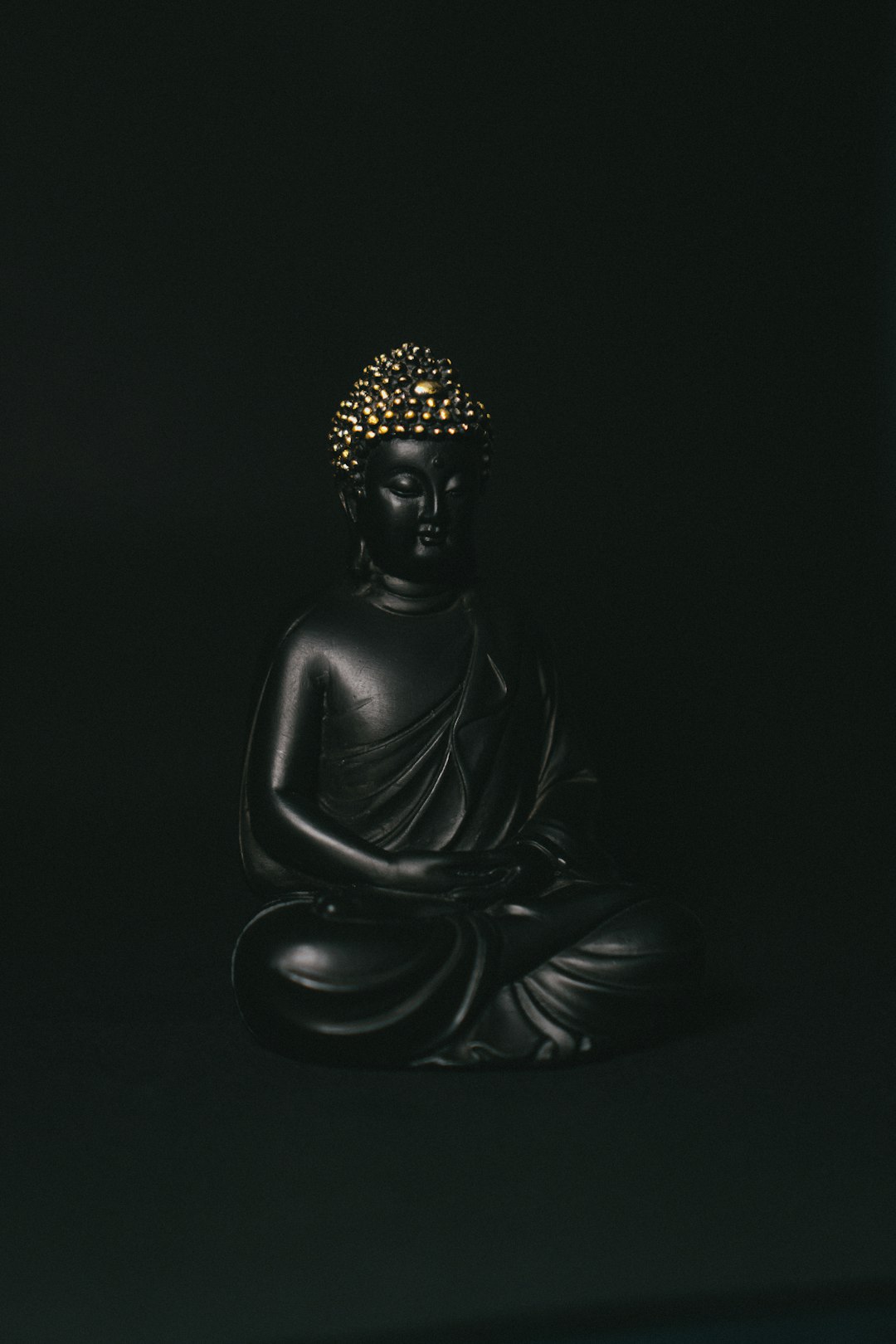
In our hyper-connected, always-on world, genuine quietude feels like a rare luxury. We’re bombarded by notifications, endless to-do lists, and the constant hum of external demands. In this relentless pace, the simple yet profound act of sitting with our own thoughts has become an almost lost art. Yet, reclaiming this space for introspection is not just a nice-to-have; it’s a fundamental pillar for mental well-being, emotional resilience, and a deeper understanding of ourselves.
Why Is Sitting with Your Thoughts So Challenging?
For many of us, the very idea of sitting still with our thoughts evokes a sense of unease. Why is that? Part of the challenge lies in the sheer volume of stimuli our brains process daily. From digital distractions like social media and streaming services to the relentless pursuit of productivity, our minds are rarely given permission to simply *be*. We’ve become conditioned to fill every spare moment, fearing boredom or, more profoundly, fearing what might surface when the noise finally subsides.
Our thoughts themselves can be overwhelming. They can be chaotic, critical, anxious, or dredge up uncomfortable memories and emotions we’ve expertly learned to suppress or distract ourselves from. In a society that often champions perpetual busyness as a sign of success and value, slowing down can feel counter-intuitive, even lazy. This cultural conditioning, coupled with a genuine lack of practice, makes the initial steps into introspection feel incredibly daunting.
Unlocking Inner Peace: The Profound Benefits
Despite the initial discomfort, the rewards of learning to sit with your thoughts are transformative. This practice, often referred to as mindfulness or meditation, isn’t about emptying your mind – an impossible feat – but rather about observing your thoughts without judgment. It’s about becoming the observer, rather than being completely swept away by the currents of your internal dialogue. By doing so, you begin to cultivate several vital capacities:
- Enhanced Self-Awareness: You gain a clearer understanding of your internal landscape – your patterns of thinking, emotional triggers, desires, and fears. This insight is crucial for personal growth and making conscious choices aligned with your true self.
- Improved Emotional Regulation: Instead of reacting impulsively to strong emotions, you learn to acknowledge them, understand their origins, and choose a considered response. This fosters greater emotional intelligence and resilience.
- Reduced Stress and Anxiety: Regular introspection can lower cortisol levels, quieten the nervous system, and alleviate the incessant chatter of an overactive mind. It helps create a mental buffer against daily stressors.
- Greater Clarity and Focus: By untangling the knots of cluttered thoughts, you create mental space for clarity. This can lead to improved decision-making, enhanced creativity, and a sharper focus in your daily tasks.
- Cultivation of Inner Peace: Ultimately, sitting with your thoughts allows you to find a calm centre within yourself, a sanctuary you can return to regardless of external circumstances. It builds a sense of groundedness and stability.
Your Journey Begins: Practical Steps to Cultivate Stillness
Embarking on this journey doesn’t require complex rituals or hours of dedicated time. It’s a gradual process, built on consistency and self-compassion. Here’s how you can begin to learn the art of sitting with your own thoughts:
- Find Your Sanctuary: Choose a quiet, comfortable space where you won’t be disturbed. This could be a specific chair, a corner of a room, or even just your bed. The key is to minimise external distractions.
- Start Small, Stay Consistent: Begin with just 3-5 minutes a day. It might feel short, but establishing a regular practice is far more important than aiming for long, infrequent sessions. Gradually increase the duration as you feel more comfortable.
- Anchor with Your Breath: Close your eyes gently (or keep them softly focused on a point) and bring your attention to your breath. Notice the sensation of air entering and leaving your body. This serves as a focal point, a gentle anchor to return to when your mind inevitably wanders.
- Observe Your Thoughts Without Judgment: This is the core of the practice. When thoughts arise – and they will, constantly – simply acknowledge them. Imagine them as clouds floating across the sky, or leaves on a stream. Don’t engage with them, don’t try to change them, and certainly don’t judge yourself for having them. Just notice, and gently bring your attention back to your breath.
- Embrace Imperfection: There will be days when your mind feels like a chaotic marketplace, and you might feel frustrated. This is normal. There’s no “right” way for your mind to be during this practice. The goal isn’t to stop thinking, but to change your relationship with your thoughts. Each time you notice your mind has wandered and you gently guide it back, you’re strengthening your mental muscle.
Beyond these core steps, you might explore guided meditations (available on numerous apps and platforms), which can provide structure and support, especially for beginners. A body scan meditation, where you systematically bring awareness to different parts of your body, can also be a wonderful way to ground yourself and connect with present sensations.
Navigating the Inner Landscape: Common Hurdles and Solutions
As with any new skill, you’ll encounter challenges. Recognising them is the first step to overcoming them:
- Restlessness and Fidgeting: It’s common to feel an urge to move, scratch an itch, or adjust your posture. Acknowledge the sensation, and if it’s not truly painful, see if you can gently sit with it for a moment before making a slight adjustment. Sometimes, a walking meditation can be a good alternative to sitting initially.
- Overwhelm by Thought Storms: If your mind feels too busy or negative thoughts become oppressive, shorten your session. Focus intensely on your breath, or try a grounding technique like naming five things you can see, four things you can feel, three things you can hear, two things you can smell, and one thing you can taste. This pulls you into the present moment.
- Falling Asleep: If you find yourself drifting off, ensure you’re not meditating when overly tired. A slightly upright posture can help maintain alertness. Splash some cold water on your face before starting.
- Self-Criticism: The inner critic can be particularly loud. Practice self-compassion. Remind yourself that this is a learning process, and every moment you show up for yourself is a success. There’s no such thing as “failing” at mindfulness.
Integrating Mindfulness into Your Daily Rhythm
The benefits of sitting with your thoughts extend far beyond your dedicated practice time. You can weave mindful moments throughout your day:
- Mindful Pauses: Take a few deep breaths before opening an email, answering the phone, or starting a new task.
- Conscious Consumption: Eat your meals slowly, savouring each bite and noticing the flavours and textures.
- Walking Meditation: Pay attention to the sensation of your feet on the ground, the movement of your body, and the sights and sounds around you during a short walk.
- Digital Detox Moments: Step away from screens for specific periods. Use this time to simply observe your surroundings, listen to music without distraction, or engage in a hobby that doesn’t involve a screen.
The Enduring Rewards of Self-Introspection
As you consistently engage in this practice, you’ll begin to notice profound shifts. You’ll develop a stronger sense of self, a deeper well of inner strength, and an increased capacity to navigate life’s inevitable ups and downs with greater equanimity. You’ll find yourself less reactive, more patient, and able to approach challenges with a clearer, calmer mind. This journey of self-discovery fosters not just personal peace but also enhances your relationships and allows you to live a more authentic, fulfilling life.
The art of sitting with your own thoughts is a journey, not a destination. It’s a powerful tool for mental well-being, enabling you to step off the hamster wheel of constant distraction and reconnect with your inner wisdom. Embrace the quiet, observe your mind with curiosity, and discover the profound peace that lies within. Your mental sanctuary awaits.