
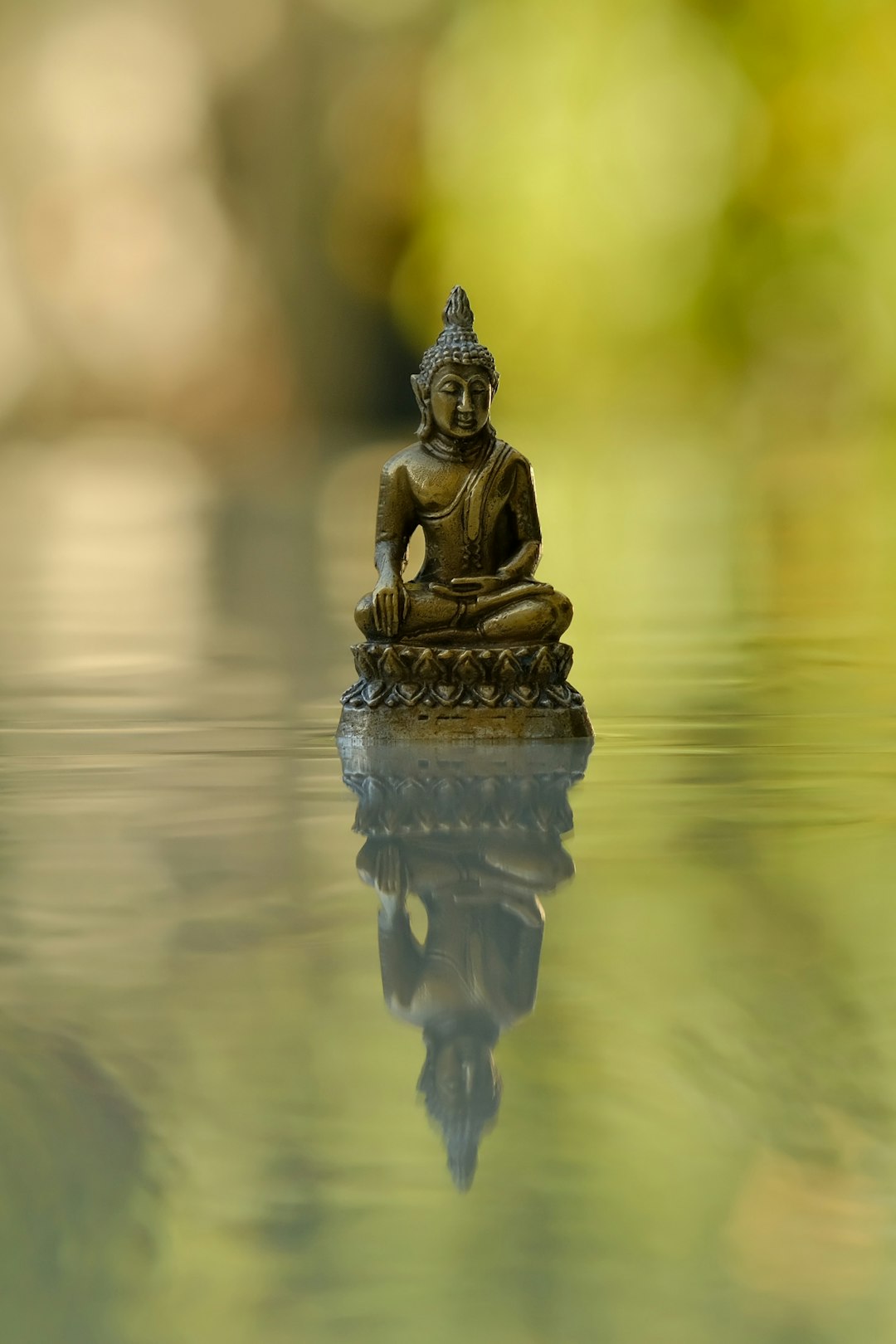
In our hyper-connected, perpetually busy world, the idea of simply *sitting* with your own thoughts can feel like an alien concept, perhaps even a daunting one. We’re bombarded with notifications, endless content, and a constant pressure to ‘do’ something. Yet, amidst this external clamour, lies a profound internal landscape waiting to be explored. Learning the art of true introspection – the quiet act of observing your inner workings without judgment – is not just a luxury; it’s a vital skill for mental well-being, emotional resilience, and personal growth. It’s about consciously stepping away from the noise and allowing yourself the space to truly *be*.
From the moment we wake, our minds are typically engaged in a flurry of activity: planning, worrying, remembering, and reacting. We scroll, swipe, listen, and watch, often unconsciously using these external stimuli as a means to avoid the silence of our own minds. The fear of boredom, or worse, the fear of what thoughts might emerge in that quiet space, drives many of us to seek constant distraction. But what are we truly missing out on by perpetually running from ourselves?
What Does ‘Sitting with Your Thoughts’ Actually Mean?
Let’s clarify what this practice entails. It’s not about achieving a blank mind – that’s often an unrealistic expectation for most. Instead, it’s about cultivating an awareness of your mental landscape. Imagine your mind as a bustling street; cars (thoughts) drive by constantly. When you ‘sit with your thoughts’, you’re not trying to stop the traffic or direct it. You’re simply standing on the pavement, observing the vehicles as they pass, noticing their make, model, and colour, but not jumping into them or chasing after them. You acknowledge their presence without getting entangled.
The Profound Benefits of Introspection
Embracing this seemingly simple practice can unlock a wealth of advantages for your overall mental and emotional health. The rewards extend far beyond momentary peace, fostering a deeper understanding of yourself and the world around you.
- Enhanced Self-Awareness: By regularly observing your thoughts, you begin to identify patterns, core beliefs, and the underlying emotions that drive your actions and reactions. This self-knowledge is foundational for personal development.
- Improved Emotional Regulation: When you recognise thoughts and feelings as they arise, you gain a vital pause before reacting. This space allows you to choose your response rather than being swept away by intense emotions. You learn to ‘feel your feelings’ without letting them control you.
- Reduced Stress and Anxiety: Often, anxiety stems from overthinking about the future or ruminating on the past. Sitting with your thoughts gently anchors you in the present moment, diminishing the power of these unsettling mental loops. You learn that a thought is just a thought, not necessarily a fact or an imminent threat.
- Greater Clarity and Decision-Making: A mind that is constantly buzzing struggles to think clearly. Regular periods of quiet observation can declutter your mental space, leading to improved focus, better problem-solving abilities, and more considered decisions.
- Fostering Creativity and Insight: When your mind isn’t constantly processing external input, it creates room for new ideas, innovative solutions, and deeper insights to emerge. Many breakthroughs happen in moments of quiet contemplation.
Navigating Common Challenges
It’s important to acknowledge that sitting with your thoughts isn’t always easy. In fact, it can be downright uncomfortable, especially when you first start. Here are some typical hurdles and how to navigate them:
- Discomfort and Restlessness: Your mind might rebel against the stillness, offering a barrage of ‘to-dos’ or physical sensations. Acknowledge them, but gently redirect your attention to your breath or a chosen anchor. It’s okay if you feel restless; don’t fight it, just observe it.
- Boredom: The absence of external stimulation can feel dull initially. Recognise boredom as just another sensation, a signal that your mind is accustomed to constant novelty. Persist through it; deeper insights often lie beyond this initial resistance.
- Negative or Distressing Thoughts: This is where many people falter. When difficult memories or worries surface, the instinct is often to push them away or get lost in them. Instead, practice observing them without judgment, as if they are clouds passing in the sky. Remind yourself that you are the observer, not the thought itself.
Practical Steps to Cultivate This Art
Ready to give it a go? Here’s a structured approach to help you begin your journey into mindful introspection:
- Find Your Sanctuary: Choose a quiet spot where you won’t be disturbed. This could be a specific chair, a corner of a room, or even a bench in a park. Turn off notifications and minimise external distractions.
- Set a Realistic Timer: Start small. Five minutes is a fantastic beginning. As you become more comfortable, gradually increase the duration. Consistency is more important than length in the initial stages.
- Anchor with Your Breath: Your breath is your most immediate and reliable anchor to the present moment. Gently bring your attention to the sensation of your breath – the rise and fall of your chest or abdomen, the feeling of air entering and leaving your nostrils. Whenever your mind wanders (and it *will* wander), gently guide your attention back to your breath.
- Acknowledge, Don’t Engage: When thoughts arise, simply acknowledge them. You might mentally label them: “planning thought,” “worry thought,” “memory.” Then, let them pass without getting drawn into their narrative. Imagine them as leaves floating down a stream or clouds drifting across the sky.
- Practice Non-Judgment: This is crucial. There’s no ‘right’ or ‘wrong’ way for your mind to be. Don’t judge yourself for having certain thoughts or for your mind wandering. Every time you notice your mind has strayed and you gently bring it back, you’re building mental muscle.
- Consider Journaling Afterwards: For some, jotting down any prominent thoughts or feelings that arose during their quiet time can be a helpful way to process them without getting stuck in them during the actual sitting practice. This can provide valuable insights into your mental landscape.
- Incorporate Mindful Movement: If pure stillness feels too challenging initially, integrate mindful walking or gentle stretching. The rhythm of movement can sometimes make it easier to observe thoughts without getting lost in them. Focus on the sensations in your body and the movement itself.
Integrating Into Daily Life
The art of sitting with your thoughts isn’t just for dedicated meditation sessions. You can weave elements of it into your daily routine:
- Mindful Pauses: Instead of immediately reaching for your phone during a brief wait (for a bus, in a queue), take a moment to simply observe your breath and your surroundings.
- Before Bed: Dedicate a few minutes before sleep to lie quietly, noticing the day’s events and thoughts without judgment, preparing your mind for rest.
- During Chores: Bring conscious awareness to mundane tasks – washing dishes, walking the dog. Focus on the sensations, the sounds, the feeling of the water or the ground beneath your feet.
Learning the art of sitting with your own thoughts is a profound journey, not a destination. It’s a continuous practice of cultivating awareness, acceptance, and compassion for your inner world. In a society that often encourages us to look outwards for fulfilment, turning inwards is an act of self-care and empowerment. Embrace the quiet, befriend your mind, and discover the wisdom that lies within the stillness.