
Alcohol and anxiety: a tricky relationship
Alcohol and anxiety are often intertwined, but the link can be confusing. While some people might feel a temporary sense of calm after drinking alcohol, this is often followed by a noticeable increase in anxious feelings. This often leads to a cycle of heavy drinking to suppress anxiety, when it can be more constructive to deal with the problem effectively. This post aims to demystify this dynamic, explaining why you might experience increased anxiety after drinking alcohol and outlining strategies to effectively manage those feelings.
Why Does Alcohol Increase Anxiety?
Alcohol’s effects on the brain and body are complex and can trigger a cascade of reactions that contribute to heightened anxiety. It initially depresses the central nervous system, causing a temporary sense of relaxation and reduced inhibitions. However, this initial effect is often followed by a rebound effect, where anxiety and other negative emotional responses can increase.
Here are some of the factors that might contribute to alcohol-induced anxiety:
- Depletion of neurotransmitters: Alcohol can disrupt the balance of neurotransmitters, vital chemical messengers in the brain. This imbalance can contribute to anxious feelings.
- Withdrawal symptoms: The body adjusts to alcohol consumption, and when consumption stops, it can experience withdrawal symptoms, including anxiety. The body can become dependent on the substance, even with occasional use.
- Dehydration: Alcohol is a diuretic, which means it can lead to dehydration. Dehydration can exacerbate existing anxiety and contribute to new feelings of anxiety.
- Poor sleep: Alcohol consumption can disrupt sleep patterns, causing insomnia and poor sleep quality. Poor sleep can worsen anxiety.
- Interactions with medication: Mixing alcohol with certain medications can have unpredictable interactions, potentially worsening anxiety symptoms.
Managing Anxiety After Drinking
If you’re struggling with anxiety after drinking, there are steps you can take to manage these feelings. Here’s what you can do:
- Practice stress management techniques: Incorporate relaxation techniques like deep breathing, mindfulness, or meditation into your daily routine, even if you haven’t consumed alcohol.
- Prioritize sleep hygiene: Establish a consistent sleep schedule, create a relaxing bedtime routine, and ensure your sleep environment is conducive to rest.
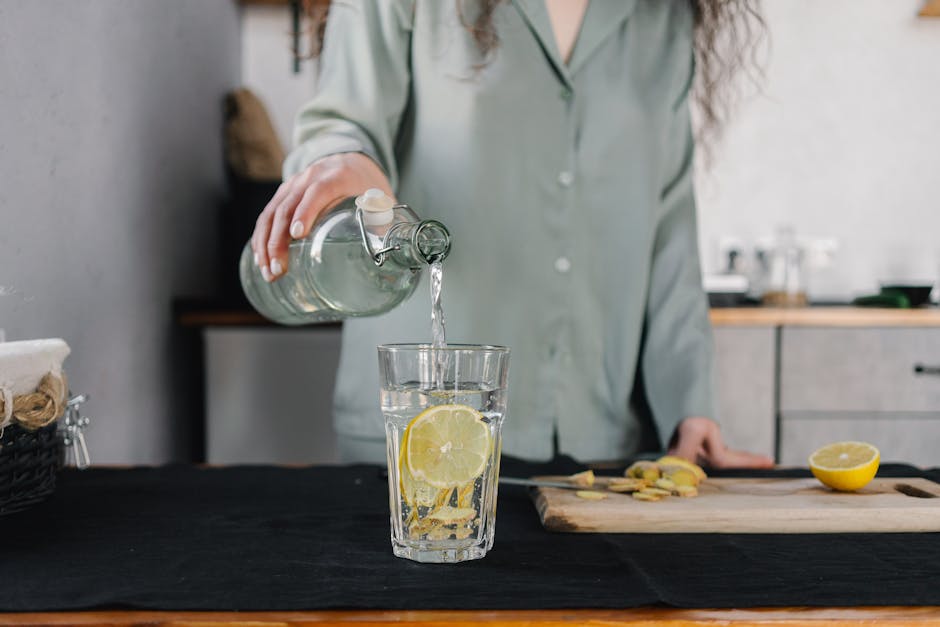
- Stay hydrated: Consume plenty of water throughout the day, especially before, during, and after drinking alcohol.
- Seek professional help: If anxiety persists or worsens, consider seeking guidance from a mental health professional. They can offer tailored support and treatment strategies to manage anxiety.
- Identify triggers: Recognize the situations or triggers that might increase your anxiety after drinking and develop strategies to cope with these situations.
Seeking Support
Remember, taking steps to manage anxiety is crucial. By addressing the root causes of your anxiety, including any link with alcohol consumption, you can significantly improve your well-being.