
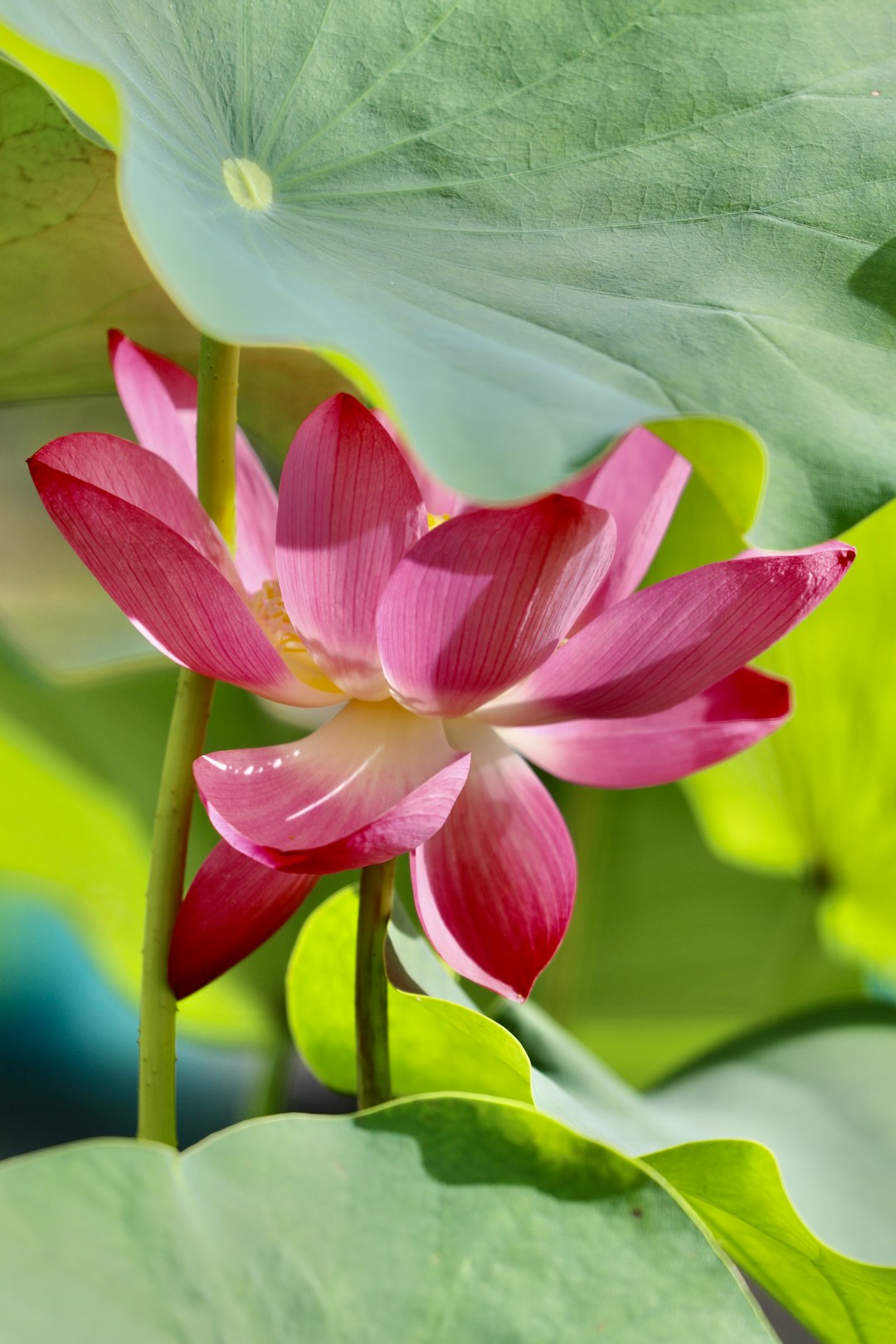
In the tapestry of life, we often encounter moments that challenge us, prompting a search for solace or an escape from discomfort. For many, the instinct might be to reach for familiar, often unhealthy, coping mechanisms. But what if there was a better way? A path that not only diverts attention from negative impulses but actively enriches your life and fosters genuine well-being? This is where the profound power of distracting yourself with healthy alternative activities comes into play. It’s not about suppressing feelings, but intelligently redirecting energy towards actions that uplift, empower, and heal.
Understanding the ‘why’ behind healthy distractions is crucial. When faced with cravings, stress, boredom, or negative thought patterns, our minds often seek immediate gratification or an escape. Unhealthy habits, whether it’s excessive screen time, overeating, or substance use, offer a temporary reprieve but often lead to regret, guilt, and a perpetuation of the very issues we’re trying to avoid. Healthy alternatives, conversely, provide a much-needed circuit breaker. They shift your focus, interrupt detrimental patterns, and replace them with constructive actions that contribute positively to your mental and physical health. This isn’t just a fleeting distraction; it’s an investment in sustainable happiness and resilience.
The Science Behind Positive Redirection
Our brains are remarkably adaptable. When you repeatedly engage in a particular activity, neural pathways are strengthened. This means that if you continuously choose unhealthy coping methods, those pathways become well-worn highways. However, by consciously opting for healthy alternatives, you begin to forge new, more beneficial pathways. This process, known as neuroplasticity, allows your brain to rewire itself, making it easier over time to choose positive actions and reducing the pull of old habits. Distraction, in this context, becomes a powerful tool for habit formation and self-improvement.
Your Toolkit of Healthy Alternatives: A Wealth of Options
The beauty of healthy distraction lies in its diversity. There’s no one-size-fits-all solution, and what works for one person might not resonate with another. The key is to explore and find activities that genuinely engage you and bring a sense of satisfaction or calm.
- Embrace Physical Movement: Nourish Body and Mind
Physical activity is perhaps one of the most potent healthy distractions. It releases endorphins, reduces stress hormones, and provides a clear mental break. Whether it’s a brisk walk in your local park, a vigorous cycling session, a calming yoga flow, or dancing to your favourite tunes, moving your body can dramatically shift your mood and focus. Team sports can also add an element of social connection, further enhancing well-being.
- Unleash Your Creativity: Express and Explore
Creative pursuits offer an incredible avenue for self-expression and mindful engagement. When you’re immersed in painting, drawing, writing, playing a musical instrument, or engaging in crafts like knitting or pottery, your mind is fully occupied. Cooking and baking can also be wonderfully creative and therapeutic, engaging multiple senses and resulting in a delicious reward.
- Cultivate Calm: Mindfulness and Relaxation Techniques
Sometimes, what you need most is to slow down and centre yourself. Activities such as meditation, deep breathing exercises, spending time in nature (forest bathing, anyone?), or simply reading a captivating book can provide a profound sense of calm. These aren’t just distractions; they are active forms of self-care that improve mental clarity and emotional regulation.
- Engage Your Intellect: Learn and Grow
Learning something new is a fantastic way to redirect your focus and stimulate your brain. Whether it’s picking up a new language, enrolling in an online course, delving into a complex topic, or even trying a challenging puzzle, intellectual engagement builds new skills and confidence. Volunteering for a cause you care about also falls into this category, offering mental stimulation alongside a strong sense of purpose and connection.
- Foster Connection: The Power of Social Bonds
Humans are social creatures, and genuine connection is vital for our well-being. Instead of retreating, reach out. Call a friend or family member, join a local club or group (a book club, walking group, or hobby class), or participate in community events. These interactions provide healthy distraction from internal struggles and reinforce positive relationships.
- Practical Pursuits: Therapeutic Organisation
Even mundane tasks can become healthy distractions when approached mindfully. Organising a cluttered space, tackling a gardening project, or engaging in minor home improvements can provide a sense of accomplishment and control. The physical act and the visible results can be surprisingly therapeutic.
Choosing Your Best Distraction: A Personal Journey
To effectively use healthy distractions, consider these pointers:
- Identify Your Triggers: Understand what situations or emotions typically lead you to unhealthy coping. This awareness allows you to pre-plan your healthy alternative.
- Match the Activity to Your Mood: If you’re stressed, a calming activity like meditation or a walk might be best. If you’re bored, something stimulating like a new hobby or social interaction could be more effective.
- Start Small and Be Prepared: Have a list of go-to activities ready. Keep a book handy, have your trainers ready for a run, or a craft project waiting. The easier it is to start, the more likely you are to do it.
- Be Flexible and Patient: Some days, one activity might work, other days, another. Don’t get discouraged if something doesn’t hit the mark immediately. Building new habits takes time and experimentation.
- Track Your Progress: Noticing how much better you feel after choosing a healthy alternative reinforces the positive behaviour and motivates you to continue.
The Profound Benefits Beyond Mere Distraction
While the initial goal is to redirect focus from unhealthy impulses, the ripple effects of engaging in healthy alternative activities extend far beyond. You’ll likely experience:
- Reduced Stress and Anxiety: Many activities, especially physical and mindful ones, are excellent stress relievers.
- Improved Physical Health: Regular exercise, healthy eating from cooking, and better sleep all contribute to a stronger body.
- Enhanced Mental Clarity and Focus: Engaging in creative or learning tasks sharpens your mind.
- Increased Self-Esteem and Confidence: Mastering a new skill or achieving a personal goal boosts your sense of worth.
- Stronger Social Connections: Group activities combat loneliness and build supportive networks.
- A Greater Sense of Purpose: Contributing to others or developing yourself fosters a deeper meaning in life.
Distracting yourself with a healthy alternative activity is not about avoidance; it’s about conscious choice and proactive self-care. It’s an empowering strategy that replaces destructive patterns with constructive ones, guiding you towards a life rich in positive experiences and genuine well-being. By building a diverse toolkit of engaging activities, you equip yourself with the power to navigate challenges with resilience, cultivate lasting happiness, and truly thrive. Start today – your future self will thank you.