
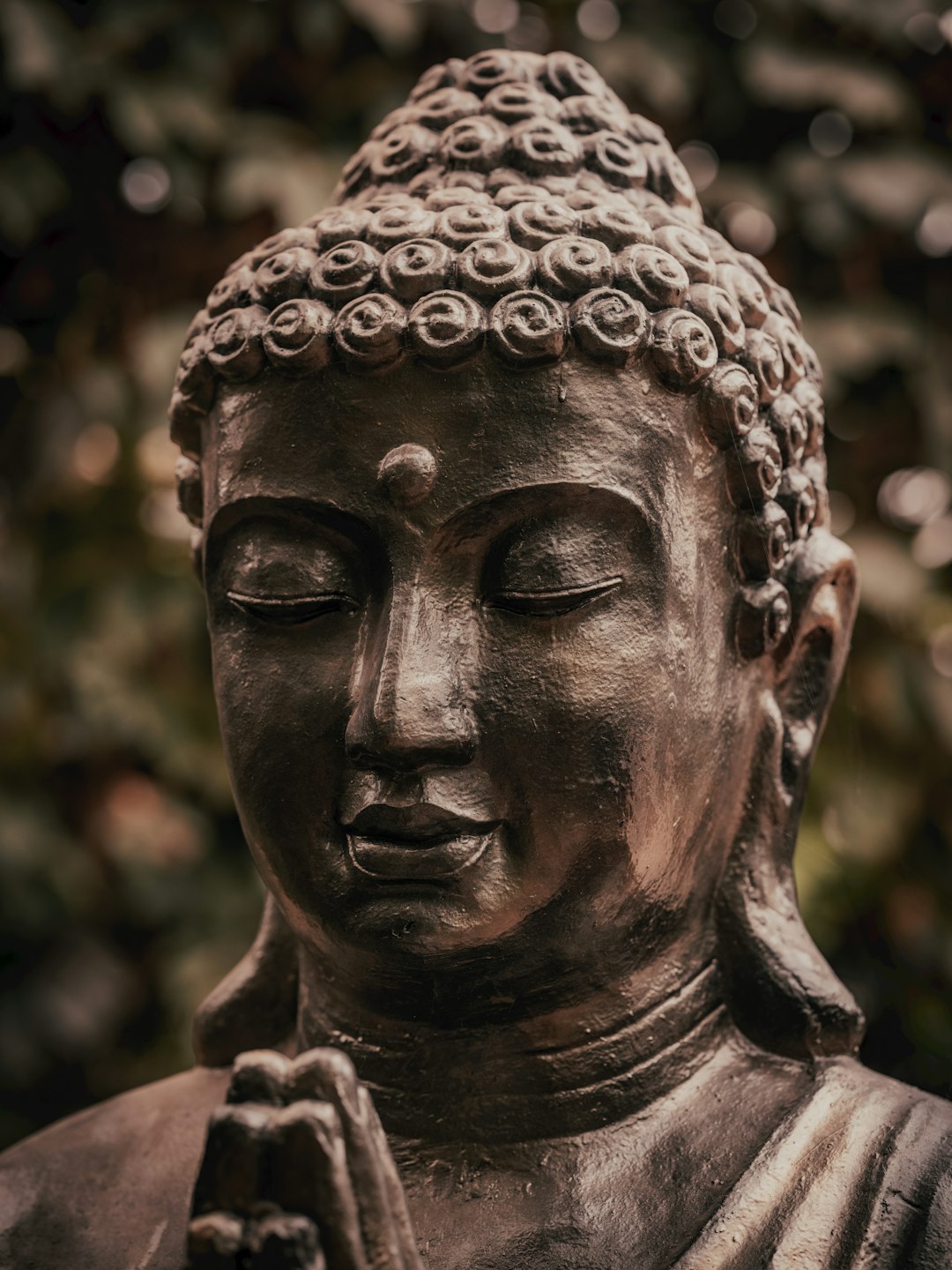
In our hyper-connected, fast-paced world, the idea of simply ‘sitting with your own thoughts’ can feel like a daunting, almost alien concept. We’re constantly bombarded with notifications, endless feeds, and the relentless hum of daily demands, leaving little room for introspection. Yet, amidst this external chaos, lies an profound internal landscape often left unexplored. Learning to embrace stillness, to truly listen to the whispers of our own minds, isn’t just a luxury; it’s an essential skill for cultivating profound mental well-being, fostering emotional resilience, and unlocking a deeper understanding of ourselves. This isn’t about clearing your mind completely, but rather about befriending your inner world, allowing thoughts to surface without judgment, and discovering the quiet power that resides within.
The Uncomfortable Truth: Why We Avoid Our Thoughts
For many, the mere suggestion of being alone with their thoughts can evoke a sense of unease, even fear. Why is this so? Often, it stems from a deeply ingrained societal habit of distraction. From an early age, we’re taught to ‘do’ rather than ‘be’. We fill every spare moment with activity, from checking emails to scrolling social media, or even simply turning on the television. This constant external stimulation acts as a shield, preventing us from confronting potentially uncomfortable emotions, unresolved issues, or existential questions that might arise in moments of quiet. The fear of boredom, the fear of sadness, the fear of inadequacy – these powerful emotions can drive us to seek external validation and distraction, effectively postponing the necessary work of self-reflection. We mistakenly believe that by ignoring our inner world, we can avoid its challenges, but in reality, we merely allow them to fester beneath the surface, impacting our decisions, relationships, and overall happiness.
The Power of Pausing: Benefits of Sitting with Your Thoughts
Despite the initial discomfort, the rewards of engaging in this practice are immense and transformative. Cultivating the art of sitting with your thoughts opens doors to enhanced self-awareness and personal growth. Let’s explore some of the key benefits:
Enhanced Self-Awareness and Understanding
When you intentionally create space for your thoughts, you begin to observe patterns. You notice recurring anxieties, understand the triggers for certain moods, and gain insight into your core beliefs and values. This deep self-understanding is the bedrock of emotional intelligence, allowing you to make more conscious choices aligned with your authentic self.
Improved Emotional Regulation
Instead of being swept away by strong emotions, sitting with your thoughts allows you to acknowledge them without immediately reacting. You learn that feelings, like thoughts, are transient. This practice builds your capacity to tolerate discomfort, process emotions healthily, and respond to life’s challenges with greater composure and resilience.
Increased Mental Clarity and Problem Solving
A cluttered mind struggles to focus. By providing a dedicated space for thought observation, you inadvertently declutter your mental landscape. This clarity can lead to breakthroughs in problem-solving, improved decision-making, and a more focused approach to your goals. The answers often lie within, waiting for the quiet space to emerge.
Cultivating Inner Peace and Resilience
In a world of constant change, the ability to find a calm anchor within yourself is invaluable. Regular practice of sitting with your thoughts fosters a profound sense of inner peace. It helps you build mental resilience, equipping you to navigate life’s inevitable ups and downs with a steady and grounded perspective.
Reducing Stress and Anxiety
Many of our anxieties stem from worrying about the future or ruminating on the past. By bringing your awareness to the present moment and observing your thoughts without judgment, you naturally reduce the power these worries hold. This mindful approach can significantly lower stress levels and foster a greater sense of calm.
Learning the Art: Practical Steps and Techniques
Embarking on this journey doesn’t require complex rituals or expensive equipment. It simply calls for a willingness to slow down and be present. Here are some practical steps to get started:
- Find Your Sanctuary: Seek out a quiet space where you won’t be disturbed. This could be a specific chair in your home, a corner of your garden, or even a peaceful spot in a park. The key is to create an environment conducive to stillness.
- Start Small, Be Consistent: Begin with just 5 to 10 minutes each day. Consistency is more important than duration. Treat it like a gentle exercise for your mind, gradually building its capacity.
- Anchor with Your Breath: Close your eyes gently (if comfortable) and bring your attention to your breath. Feel the rise and fall of your chest or abdomen. This acts as an anchor, bringing you back to the present whenever your mind wanders.
- Observe, Don’t Engage: As thoughts arise – and they will – simply acknowledge them. Imagine them as clouds floating across the sky, or leaves drifting down a stream. Don’t grab onto them, analyse them, or judge them. Just notice their presence and let them pass. If you find yourself getting caught up in a thought, gently bring your attention back to your breath.
- Mindful Body Scan: Pay attention to any sensations in your body. Are you holding tension anywhere? Just notice it without trying to change it. This grounds you further in the present moment.
- Journal Your Discoveries: After your session, consider writing down any insights, recurring thoughts, or emotions that came up. Journaling can be a powerful tool for processing what you’ve observed and reinforcing your self-understanding. It’s not about writing during the sitting, but after to reflect.
- Embrace Digital Detox: Intentionally schedule periods away from screens. Even a 30-minute break from your phone or computer can create a valuable window for internal reflection. Use this time to simply ‘be’.
Navigating Challenges and Cultivating Patience
It’s important to acknowledge that this practice isn’t always easy. You might encounter restlessness, boredom, or even an overwhelming flood of emotions. This is perfectly normal. Our minds are accustomed to constant stimulation, so a period of quiet can feel unsettling initially.
- Restlessness: If you feel fidgety or find it hard to sit still, acknowledge the sensation. Don’t fight it. Sometimes a brief stretch before you sit can help.
- Overwhelming Emotions: If intense emotions arise, remind yourself that you are safe. Allow the feeling to be there without letting it consume you. Focus even more on your breath as an anchor. If it becomes too much, gently open your eyes and take a break, perhaps coming back to it later.
- Negative Thought Loops: Our minds have a habit of replaying negative scenarios. When this happens, gently guide your attention back to your breath or a simple sound around you. Be kind to yourself; this takes practice.
Patience and consistency are your greatest allies. Think of it as training a muscle; the more you practice, the stronger and more flexible your mind becomes. There will be days when it feels effortless, and days when it feels like a struggle. Both are part of the journey. The goal isn’t to achieve a perfectly empty mind, but to develop a new relationship with your thoughts – one of observation, acceptance, and compassion.
Integrating Into Daily Life
The beauty of this practice is that it’s not confined to dedicated meditation sessions. You can weave moments of mindful stillness into your everyday routine:
- Before starting your workday, take a few minutes to sit quietly and set an intention.
- During your lunch break, step away from your desk and simply observe your surroundings or your breath for a few minutes.
- Before going to sleep, allow yourself a period of quiet reflection on the day, without judgment.
- While waiting in a queue or during your commute, instead of reaching for your phone, just be present with your thoughts and sensations.
These small, consistent practices accumulate, leading to a profound shift in how you experience the world and your place within it. You’ll find yourself less reactive, more grounded, and better equipped to handle life’s inevitable challenges.
Conclusion
Learning the art of sitting with your own thoughts is perhaps one of the most powerful gifts you can give yourself. It’s a journey of profound self-discovery, leading to greater mental clarity, emotional balance, and a deep sense of inner peace. In a world that constantly pulls us outwards, this practice invites us inwards, connecting us to our truest selves. Embrace the stillness, listen to your inner whispers, and unlock the transformative power of your own mind. Your well-being will thank you for it.