
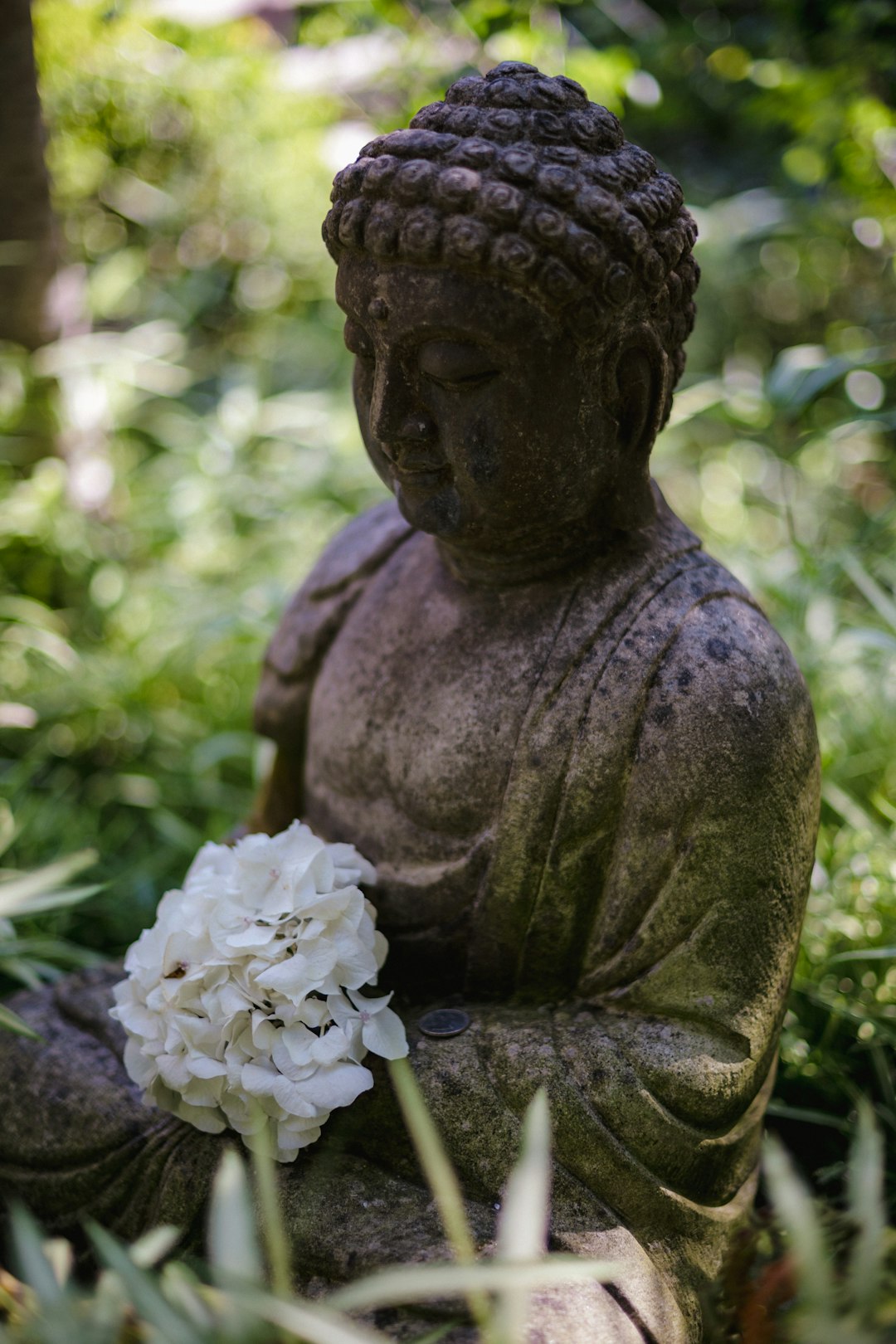
In our hyper-connected, always-on world, finding a moment of genuine stillness can feel like a rare luxury. We’re constantly bombarded with information, demands, and distractions, making the simple yet profound act of sitting with our own thoughts seem almost impossible. Yet, mastering this art is not merely a practice in quietude; it’s a cornerstone of robust mental wellbeing, a pathway to profound self-awareness, and a powerful tool for emotional regulation. It’s about creating space for your inner world, allowing your thoughts and feelings to surface without immediate judgement or the urge to escape.
Many of us have become adept at avoiding our inner landscape. We fill silences with podcasts, swipe endlessly through social media feeds, or dive headfirst into busy schedules, all to sidestep what might be waiting beneath the surface. But what if embracing these quiet moments, even the uncomfortable ones, holds the key to a more centred, resilient, and ultimately, happier you?
Why Do We Avoid Our Own Thoughts?
The inclination to flee from our thoughts is deeply ingrained, often stemming from various sources:
- Fear of Discomfort: Our minds aren’t always a tranquil oasis. Sometimes, uncomfortable emotions like anxiety, sadness, or unresolved issues lurk, and confronting them can feel daunting. It’s easier, initially, to keep busy than to sit with emotional discomfort.
- Societal Conditioning: We live in a society that often glorifies constant productivity and outward achievement. Stillness can be misconstrued as idleness, pushing us towards perpetual motion rather than thoughtful introspection.
- Digital Overload: Smartphones, streaming services, and the internet provide an endless buffet of distractions, offering instant gratification and a convenient escape from inner quietude. This constant external stimulation can diminish our capacity for sustained focus on our internal experiences.
- Unprocessed Emotions: Sometimes, we carry unresolved experiences or past traumas. Sitting quietly can bring these to the forefront, which, while ultimately healing, can be profoundly unsettling without the right tools or support.
Understanding these underlying reasons is the first step towards changing our relationship with our inner world. Recognising that avoidance is a coping mechanism, rather than a flaw, allows us to approach the practice of sitting with our thoughts with greater compassion and patience.
The Profound Benefits of Inner Solitude and Self-Reflection
Embracing the silence and allowing your thoughts to emerge offers a wealth of benefits for your mental and emotional health:
- Enhanced Self-Awareness: This is arguably the most significant benefit. By observing your thought patterns, beliefs, and emotional responses, you gain invaluable insight into who you are, what drives you, and what truly matters to you. This self-knowledge is crucial for personal growth.
- Improved Emotional Regulation: When you sit with your emotions, you learn to recognise them as temporary states, rather than overwhelming forces. You develop the ability to acknowledge feelings without being consumed by them, fostering greater emotional resilience and control.
- Increased Clarity and Focus: Stepping away from external noise allows your mind to declutter. This mental space can lead to greater clarity, improved decision-making, and enhanced problem-solving abilities.
- Reduced Stress and Anxiety: Regular periods of quiet reflection, especially when coupled with mindfulness, can significantly lower stress levels. It provides a much-needed break from the constant demands of modern life, allowing your nervous system to calm.
- Boosted Creativity: Many artists, writers, and innovators attest to the power of solitude for sparking new ideas. When the mind is allowed to wander freely, it can make connections and generate insights that might otherwise be stifled by external pressures.
- Deeper Inner Peace: Ultimately, learning to be comfortable with your own company, and with the ebb and flow of your thoughts, cultivates a profound sense of inner peace. This isn’t the absence of challenges, but the presence of a stable, calm core within yourself.
How to Begin Your Journey: Practical Steps for Quiet Contemplation
Starting the practice of sitting with your thoughts doesn’t require complex rituals or hours of meditation. It’s about taking small, consistent steps:
- Find Your Sanctuary: Identify a quiet, comfortable spot where you won’t be disturbed. This could be a specific chair, a corner of a room, or even a peaceful park bench. Make it a place where you feel safe and relaxed.
- Start Small, Build Gradually: Begin with just 5-10 minutes a day. Set a timer and commit to that duration. As you become more comfortable, you can gradually extend the time. The key is consistency, not duration, initially.
- Embrace Mindfulness and Deep Breathing: Before you dive into your thoughts, take a few slow, deep breaths. Focus on the sensation of your breath entering and leaving your body. This anchors you to the present moment and helps to calm the nervous system.
- Observe, Don’t Judge: The goal isn’t to stop thinking, but to observe your thoughts without getting caught up in them. Imagine your thoughts are clouds passing by in the sky – you see them, acknowledge their presence, but you don’t chase after them or critique their shape. Just let them be.
- Journaling as a Companion: If sitting silently feels overwhelming, try journaling. Penning down your thoughts, feelings, and observations can be a gentle way to engage with your inner world. It provides an outlet and can help you identify recurring patterns or themes.
- Implement a Digital Detox: Before your quiet time, switch off your phone or put it in another room. Eliminate all potential digital distractions. This deliberate act signals to your brain that it’s time to turn inwards.
- Practice Self-Compassion: There will be days when your mind feels like a chaotic marketplace, and sitting still feels impossible. Don’t judge yourself. Acknowledge the difficulty, gently redirect your focus to your breath, and try again tomorrow. This is a practice, not a performance.
Navigating Common Challenges
The path to inner quietude isn’t always smooth. You might encounter some common hurdles:
- Restlessness and Boredom: It’s natural for the body and mind to resist stillness, especially if you’re unaccustomed to it. Acknowledge these sensations without judgement. Sometimes a gentle stretch or a brief walk before your quiet time can help release pent-up energy.
- Overwhelm by Negative Thoughts: If a flood of negative or anxious thoughts arises, try to label them without engaging. For example, “Ah, that’s an anxious thought,” and then gently bring your attention back to your breath. Remember, you are not your thoughts; you are the observer of your thoughts.
- Difficulty Concentrating: Our minds are designed to think. Expect your mind to wander. The practice is not about never thinking, but about noticing when your mind wanders and gently bringing it back. Each time you do this, you strengthen your mental muscle of focus.
Think of this practice as a gym for your mind. Just like physical exercise, some days will feel easier than others, and consistency over perfection is what yields results.
Integrating Quiet Contemplation into Your Daily Routine
While dedicated quiet time is beneficial, the art of sitting with your thoughts can also be woven into the fabric of your everyday life:
- Mindful Moments: Transform routine activities into opportunities for reflection. Washing dishes, walking to the shop, or sipping a cup of tea can become mindful practices if you focus entirely on the sensations and the present moment, allowing thoughts to arise and pass without attachment.
- Scheduled Check-ins: Set a recurring reminder on your phone for a brief “mind check-in” multiple times a day. For a minute or two, simply pause, close your eyes (if appropriate), and notice what thoughts and feelings are present.
- Before Bed or Upon Waking: These transitional times are excellent for quiet contemplation. Dedicate 10-15 minutes to reflect on the day gone by, or to set intentions for the day ahead, observing your thoughts without needing to act on them immediately.
By making conscious choices to create space for your thoughts, you gradually build a stronger connection with your inner self. This isn’t about escaping reality, but about enhancing your ability to navigate it with greater wisdom and calm.
The journey of learning to sit with your own thoughts is a deeply personal and transformative one. It’s an investment in your mental wellbeing, fostering resilience, self-awareness, and a profound sense of inner peace that no external distraction can truly provide. In a world that constantly pulls us outwards, the ability to gently turn inwards and listen to the whispers of our own minds is a revolutionary act of self-care. Begin today, even with just a few minutes, and unlock the profound wisdom that resides within you. Your inner world is waiting to be explored.